
The Complete Guide to Custom Reusable Shopper Bags for Australian Organisations
Discover how custom reusable shopper bags can boost brand visibility, reduce waste, and deliver real value for Australian businesses and events.

Written by
Charlie Kim
Bags & Totes
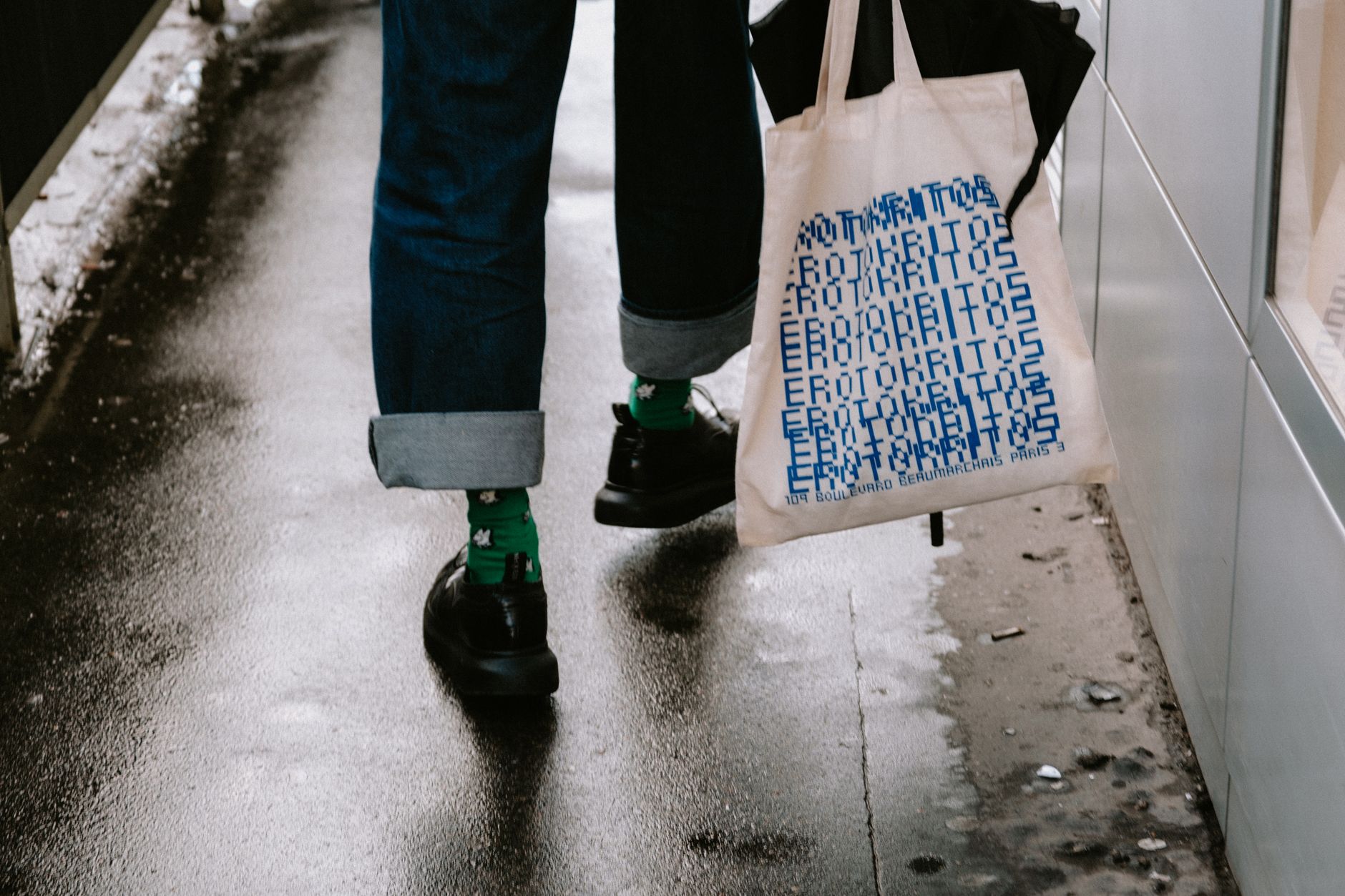
Choosing the right branded merchandise for your organisation is never a one-size-fits-all decision, but few products deliver as consistently well as the humble reusable shopper bag. Whether you’re a Sydney retail brand looking for a cost-effective giveaway, a Melbourne council sourcing eco-friendly merchandise for a community event, or a Brisbane charity preparing for an annual fundraiser, the custom reusable shopper bag ticks an impressive number of boxes. It’s practical, visible, sustainable, and — when designed thoughtfully — genuinely something people want to use. In this guide, we’ll walk you through everything you need to know before placing your order.
Why the Reusable Shopper Bag Remains One of Australia’s Most Popular Promotional Products
It might seem like a simple choice, but there’s a reason reusable shopper bags have held their ground as a staple of branded merchandise for decades. Australia’s gradual shift away from single-use plastic bags — driven by state and territory legislation rolled out across Queensland, Western Australia, South Australia, Victoria, and beyond — has made reusable bags not just a nice-to-have, but a practical everyday necessity.
That everyday utility is precisely what makes them so valuable as promotional items. Every time a recipient pulls out their branded bag at the supermarket, farmer’s market, or local café, your logo is on display to dozens of potential customers. Studies on promotional product recall consistently show that reusable bags generate impressions over months and even years — a return on investment that’s hard to match at a similar price point.
There’s also the values alignment factor. Consumers and stakeholders increasingly expect organisations to demonstrate environmental responsibility. A well-made reusable shopper bag signals that your brand is thinking about sustainability — a message that resonates particularly strongly in markets like Adelaide, Hobart, and Canberra, where eco-conscious purchasing is a significant community priority.
If you’re already thinking about sustainable branded merchandise more broadly, our guide to sustainable promo products for Australian organisations covers a wider range of eco-friendly options worth exploring alongside reusable bags.
Understanding Your Options: Materials, Styles, and Sizes
Not all reusable shopper bags are created equal, and the options available today go well beyond the basic non-woven polypropylene tote. Selecting the right material and construction for your audience and use case is an important first step.
Non-Woven Polypropylene (PP)
This is the most commonly seen reusable shopping bag style in Australia — lightweight, affordable, and available in virtually every colour. Non-woven PP bags suit large-volume giveaways where budget is a priority, such as trade show handouts, conference packs, and community event freebies. Minimum order quantities typically start from around 100 to 250 units at this price tier.
Cotton and Canvas
Natural cotton and canvas shopper bags carry a premium feel and are a popular choice for retail brands, boutique businesses, and organisations targeting environmentally conscious audiences. They’re heavier, more durable, and particularly well-suited to screen printing and embroidery decoration. A Perth boutique fitness studio or a Gold Coast wellness brand, for example, would find cotton totes align well with their brand positioning. Expect MOQs from around 50 to 100 units depending on decoration method.
Recycled PET (rPET)
Made from recycled plastic bottles, rPET shopper bags have grown significantly in popularity as organisations look to back up their sustainability messaging with tangible product choices. These bags often come with supporting certification or data (such as how many bottles were diverted from landfill per bag), which can be used powerfully in your event communications or staff onboarding materials.
Jute and Natural Fibre
Jute bags offer a distinctive, artisan aesthetic that works particularly well for food markets, arts festivals, and premium gift applications. They’re biodegradable and carry a strong natural appeal, though they can be more limited in terms of print coverage compared to cotton or PP.
Cooler and Insulated Shopper Styles
For food-focused events, supermarket loyalty programs, or corporate gifting with a practical edge, insulated shopper bags add significant perceived value. These can be positioned alongside waterproof bags and travel bags as part of a broader merchandise bundle for higher-end recipients.
Decoration Methods: Getting Your Branding Right
The right decoration method depends on your bag material, design complexity, and budget. Here’s a practical breakdown of what works best and when.
Screen Printing
Screen printing is the most popular choice for reusable shopper bags — it delivers bold, vibrant results at scale and is cost-effective for runs above 100 units. It works beautifully on cotton, canvas, and non-woven PP. If your logo is clean with defined colours, screen printing will give you sharp, professional results. Note that screen printing typically involves a setup fee per colour, so designs with multiple colours will affect your unit cost.
Heat Transfer and Digital Printing
For designs with gradients, photographic elements, or high colour complexity, digital or heat transfer printing offers more flexibility. These methods are better suited to shorter runs and more detailed artwork, though the per-unit cost is typically higher than screen printing at volume.
Embroidery
Embroidery adds a premium, tactile quality that elevates the perceived value of a bag significantly. It’s best applied to thicker cotton or canvas materials and works particularly well for corporate branded bags or staff merchandise. If your organisation also orders womens polo shirts or workwear, matching the embroidery style across your branded items creates a cohesive look.
Ordering Custom Reusable Shopper Bags: What to Know Before You Start
Getting your order right the first time saves time, money, and frustration. Here are the key practical considerations to work through before you brief a supplier.
Define Your Purpose and Audience
Are these bags being given away at a one-off event, sold in a retail setting, or distributed as part of an ongoing brand awareness campaign? Your intended use will shape the appropriate quality tier, material choice, and quantity. A Darwin council distributing bags at a sustainability fair has different requirements than a Sydney law firm including branded totes in client welcome packs.
Artwork and File Requirements
Most suppliers require vector artwork files (typically AI or EPS format) for screen printing and embroidery. If you only have a low-resolution logo, have it redrawn in vector format before you approach suppliers — this will prevent delays. Make sure your artwork accounts for the printable area of the bag, which varies by style.
MOQs and Lead Times
Typical MOQs for custom reusable shopper bags start from 50 to 100 units for premium styles and 100 to 500 units for budget non-woven options. Standard production turnarounds are generally two to three weeks from proof approval, though rush orders may be available at a premium. Always build in buffer time for proof review and any artwork revisions — particularly if you’re ordering for a fixed event date.
Samples
For larger orders, it’s worth requesting a pre-production sample or a stock sample of the bag style before committing to full production. This lets you assess the material quality, stitching, and construction in person before your brand is attached to it.
Budgeting
Pricing varies widely based on material, decoration, quantity, and complexity. Non-woven PP bags in large volumes (500+) can come in under $2 to $3 per unit, while premium cotton or rPET bags with embroidery might range from $8 to $20 or more per unit. Think about total cost of ownership — a slightly more expensive bag that people use for years delivers far more impressions per dollar than a cheaper one that gets discarded.
Pairing Reusable Bags with Complementary Merchandise
A custom reusable shopper bag works exceptionally well as part of a broader merchandise bundle. The bag itself becomes the vessel — and what you put inside it matters just as much for making a lasting impression.
For event merchandise packs, consider pairing your reusable shopper with a branded sport water bottle or travel coffee cup for a cohesive, everyday-use bundle. A personalised travel mug or travel cup adds warmth (literally) to a winter conference pack, while a gym towel rounds out a health and fitness brand kit beautifully.
For corporate welcome packs or trade show giveaways, pairing your shopper with promotional USB sticks, notebooks, or branded pens creates a practical, high-perceived-value package. You can explore complementary stationery ideas through our guide to stationery and branded office products.
Event coordinators might also find value in combining reusable bags with event wristbands or wristbands for entry management as part of a complete event merchandise suite.
For warm-weather campaigns and activations, check out our broader guide to summer branded merchandise in Australia for inspiration on building a seasonal bundle around your reusable shopper.
Reusable Shopper Bags Across Different Sectors
The versatility of the reusable shopper bag means it serves almost every type of Australian organisation well. Here are a few sector-specific scenarios to consider:
- Retail and Hospitality: Branded bags sold or gifted at point of sale reinforce brand identity and reduce plastic waste simultaneously.
- Local Government and Councils: Ideal for community events, sustainability campaigns, and resident engagement programs.
- Universities and TAFEs: Orientation packs for new students are a classic use case, often combined with branded stationery and a varsity jacket or similar apparel.
- Healthcare Organisations: Practical for patient education programs or staff onboarding kits.
- Not-for-Profits and Charities: Fundraising merchandise that donors genuinely use extends brand reach at low cost.
Conclusion: Key Takeaways for Ordering Custom Reusable Shopper Bags
The custom reusable shopper bag continues to earn its place as one of the most practical, visible, and values-aligned merchandise items available to Australian organisations. With a huge range of materials, styles, and decoration options on offer, there’s a version suited to virtually every budget and audience.
Here are the key things to remember:
- Choose your material based on purpose and audience — non-woven PP for high-volume budget runs, cotton or rPET for premium or eco-focused applications.
- Get your artwork right early — vector files and a clear brief will streamline your production process significantly.
- Factor in lead times — two to three weeks is standard; always allow extra time for proof approval before a deadline.
- Think beyond the single item — reusable shopper bags work best as part of a curated merchandise bundle that adds genuine value for recipients.
- Match your product to your brand values — a well-chosen reusable shopper bag doesn’t just carry shopping; it carries your organisation’s story every time it’s used.