
Hat Liners for Hard Hats: What to Wear Underneath for Safety and Comfort
Discover what to wear under a hard hat for comfort and safety. Expert tips on hat liners, beanies, and branded options for Australian worksites.

Written by
Angus Mahmoud
Safety & Workwear
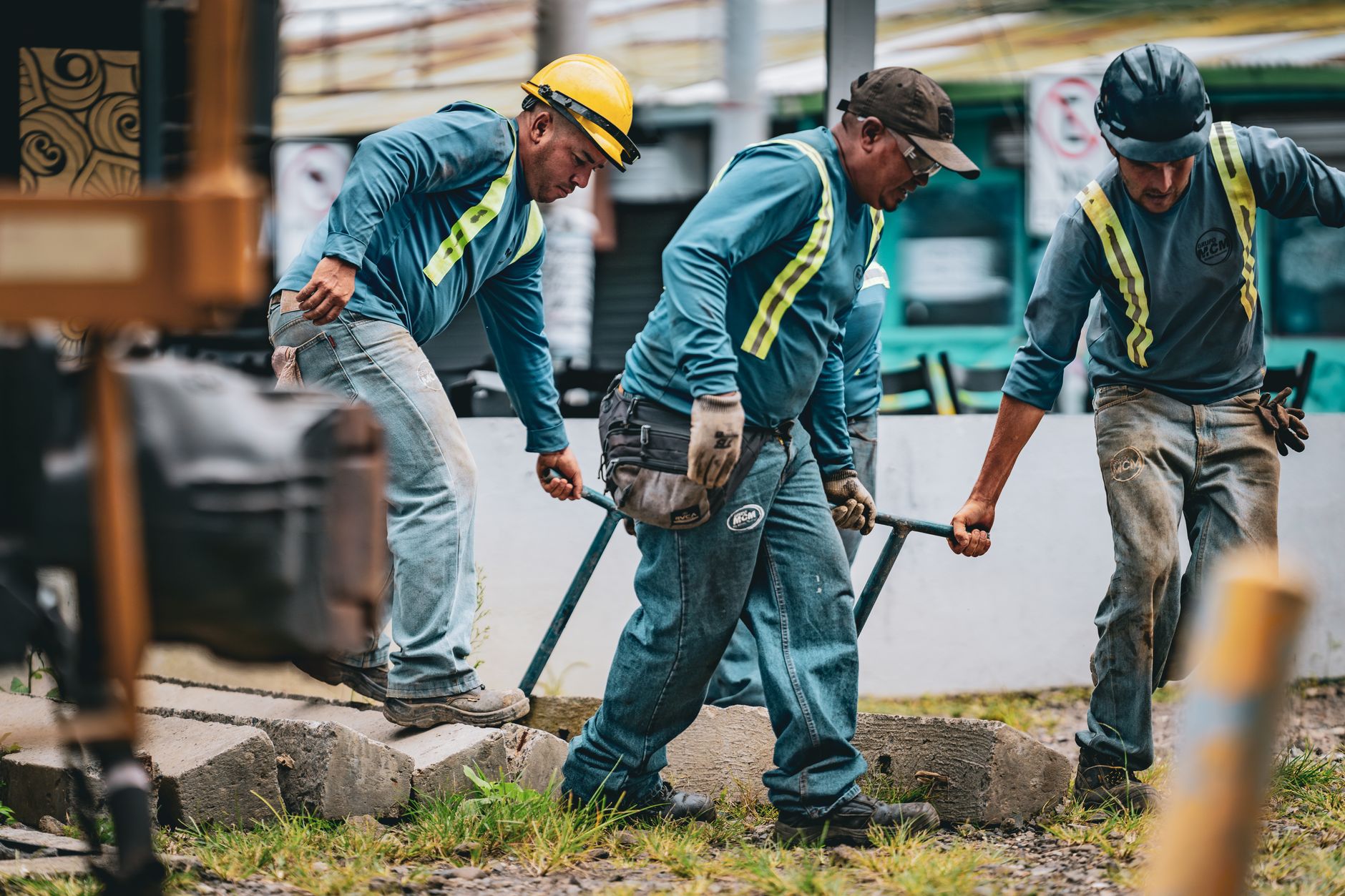
If you’ve ever spent a long shift on a construction site, a mine, or an outdoor worksite in the Australian heat — or conversely, during a freezing Tasmanian or Victorian winter — you’ll know that what you wear underneath your hard hat matters just as much as the hard hat itself. The right hat for hard hat use isn’t just about comfort; it’s about staying focused, regulated in temperature, compliant with safety standards, and protected from sweat, sun, and the elements. For businesses and organisations managing worksite teams, it’s also a genuine branding opportunity that’s often overlooked.
This guide covers everything you need to know about choosing the right undergarment for hard hat wearers, including the different product types available, how to get them custom branded, and how to roll them out effectively across your team.
Why What You Wear Under a Hard Hat Actually Matters
Hard hats are non-negotiable on most Australian worksites — whether you’re in construction in Sydney, resource extraction in Western Australia, or civil engineering in Queensland. But the hard hat itself is just one part of the head protection equation.
Wearing nothing underneath can mean sweat dripping into your eyes by mid-morning, sunburn around the neck, or discomfort so significant it affects concentration. In colder months, particularly in Canberra, Melbourne, or regional highland areas, the gap between a hard hat shell and a worker’s head can let in a significant chill.
That’s where the right hat for hard hat use comes in. These are specialised undergarments — including hard hat liners, cooling skull caps, moisture-wicking beanies, and bump caps — designed to sit inside the suspension system of a standard hard hat without interfering with its safety rating.
The Compliance Consideration
Before anything else, it’s essential to understand that not all head coverings are compatible with hard hat use from a safety compliance standpoint. In Australia, hard hats must comply with AS/NZS 1801 standards, and anything worn underneath must not compromise the fit of the suspension system or alter the internal clearance between the shell and the wearer’s head.
Bulk, stiff-brimmed, or structured hats can push the hard hat up, reducing clearance and compromising protection. Any hat liner or skull cap selected for use under a hard hat must be thin, flexible, and form-fitting. This is a critical point to communicate to your team and any merchandise supplier when ordering custom-branded options.
Types of Hats That Work Under a Hard Hat
Understanding your options is the first step to making the right call for your team. The product category commonly referred to as a “hat for hard hat” typically includes the following:
Hard Hat Liners (Winter Style)
These are full-coverage liners — often called balaclavas or winter liners — designed specifically for use inside a hard hat. They cover the ears, neck, and sometimes the face, making them popular on outdoor sites in Victoria, South Australia, and the ACT during winter months.
They’re generally made from fleece, knit wool blends, or flame-resistant materials (the latter required on specific worksites). They sit flush against the head, keeping the suspension system intact.
Skull Caps and Sweatbands
Thin skull caps or headbands/sweatbands are popular across Queensland and the Northern Territory, where the priority is moisture management rather than insulation. These are often made from moisture-wicking fabrics that draw sweat away from the skin during long, hot shifts.
They’re particularly effective on outdoor sites where workers are exposed to direct sun and high humidity. They’re also one of the easiest options to custom brand — a simple logo placement on the front panel makes a professional statement without adding bulk.
Cooling Skull Caps
A step up from standard skull caps, cooling skull caps use evaporative technology or specialised breathable fabrics to actively reduce the temperature around the wearer’s head. These are excellent for summer worksite kits, and they pair well with other summer safety items. If you’re pulling together a seasonal worksite pack, take a look at our summer branded merchandise guide for Australian businesses for complementary product ideas.
Beanie Liners
Thin, form-fitting beanies — not your chunky street-style knits — can work well under hard hats in cold conditions, provided they don’t add enough height to disrupt the suspension system. They’re cost-effective, easy to source, and straightforward to brand via embroidery. A thin acrylic or merino blend beanie in your company colours, with a small embroidered logo, is a tidy solution for winter site kits.
Custom Branding Options for Hard Hat Liners
This is where things get interesting from a merchandise perspective. Branded hard hat liners and skull caps are a genuine differentiator for companies that want to present a cohesive, professional image across their worksite team.
Embroidery
Embroidery is the most common decoration method for workwear headwear. It’s durable, professional-looking, and holds up through repeated washing — which is critical for items worn daily on site. A small embroidered company logo on the front of a skull cap or beanie liner reads cleanly and adds polish.
Screen Printing
For thin, flat skull caps, screen printing can also be effective — particularly for bold logos or multi-colour designs. If you’re unfamiliar with the process, our overview of screen printing services for promotional products in Brisbane covers the basics well.
Heat Transfer
Heat transfer printing suits synthetic fabrics commonly used in moisture-wicking skull caps. It allows for sharp, full-colour reproduction and sits close to the fabric without adding bulk — which is important when the item needs to fit inside a hard hat.
Rolling Out Custom Hard Hat Liners Across Your Team
Once you’ve settled on a product type and decoration method, the practical side of the rollout matters enormously. Here are the key considerations for organisations ordering custom hard hat liners at scale.
Minimum Order Quantities (MOQs)
Most custom embroidered or printed skull caps and liners have MOQs in the range of 25 to 50 units for standard options, though some suppliers offer lower MOQs for simple one-colour print options. For larger organisations — mining companies, civil contractors, or building firms across multiple sites in Perth, Darwin, or Brisbane — bulk pricing tiers can bring the per-unit cost down significantly.
Sizing
Many skull caps and liners come in one-size-fits-most configurations, which simplifies ordering. However, for products with a more fitted construction, ensure your supplier offers size options and that you’ve communicated the sizing needs of your team upfront.
Turnaround Times
For standard orders, expect 2 to 4 weeks from artwork approval to delivery. If you need fast turnaround — for example, a new site mobilising quickly in Adelaide or on the Gold Coast — discuss rush options with your supplier early in the process.
Pairing with a Full Workwear Kit
Hard hat liners are rarely ordered in isolation. Most organisations pair them with custom hi-vis shirts, polo shirts, and other site essentials. Explore our range of shirts and polos for custom branding and our guide to women’s polo work shirts if you’re building out a full team uniform package. You might also consider women’s polo shirts for the Australian workplace to ensure your order covers everyone on site.
Eco-Friendly and Sustainable Options
It’s worth noting that the sustainable merchandise space has expanded well beyond the obvious categories. There are now hard hat liners and skull caps made from recycled polyester, organic cotton blends, and other environmentally responsible materials — an option worth considering for councils, government departments, and organisations with sustainability reporting requirements.
If this aligns with your organisation’s procurement values, our guide to sustainable promotional products is a great starting point for understanding what’s available and what certifications to look for.
Building a Broader Site Safety Merchandise Pack
A hat for hard hat is often just one component of a broader worksite merchandise kit. For businesses looking to create a complete branded experience for their workforce, consider bundling liners with:
- Custom branded water bottles — hydration is a genuine worksite safety issue, and sport water bottles with your company logo are practical, reusable, and well-received.
- Custom lanyards — for site access cards, keys, or ID badges. Our guide to single custom lanyards covers the options.
- Branded travel mugs or keep cups — for workers who commute or need hot drinks on colder sites. Take a look at our guides on travel coffee cups and personalised travel mugs.
- Waterproof bags — for site gear, tools, or wet-weather essentials. Our overview of waterproof bags is worth reviewing.
- Wristbands for site events or safety inductions — event wristbands can be a useful tool for managing access and identification at worksites with multiple contractors.
A well-considered site kit sends a clear message to workers: this organisation takes their comfort and safety seriously.
Conclusion: Key Takeaways
Choosing the right hat for hard hat use is a decision that sits at the intersection of safety compliance, worker comfort, and professional branding. For any organisation managing worksite teams across Australia, getting this right can improve productivity, morale, and your team’s overall presentation on site.
Here are the five things to keep in mind:
- Compliance comes first. Any hat worn under a hard hat must be thin and form-fitting to preserve the integrity of the suspension system and maintain AS/NZS 1801 compliance.
- Match the product to the climate. Skull caps and cooling liners suit warm, humid Australian regions; fleece and beanie liners suit colder southern and highland sites.
- Embroidery is the gold standard for branding durability on worksite headwear, though screen printing and heat transfer are suitable for thinner synthetic fabrics.
- Think in kits. Hard hat liners are most effective as part of a complete branded workwear and safety merchandise package.
- Plan your lead times. Allow 2 to 4 weeks for standard custom orders and communicate your deadlines to your supplier upfront to avoid delays.
With the right planning and the right product, a branded hat liner is a small detail that makes a genuinely big difference on site.