
Mining Uniforms in Australia: The Complete Guide to Custom Workwear
Everything Australian mining businesses need to know about ordering custom mining uniforms — from safety standards to decoration methods and bulk ordering tips.

Written by
Angus Mahmoud
Safety & Workwear
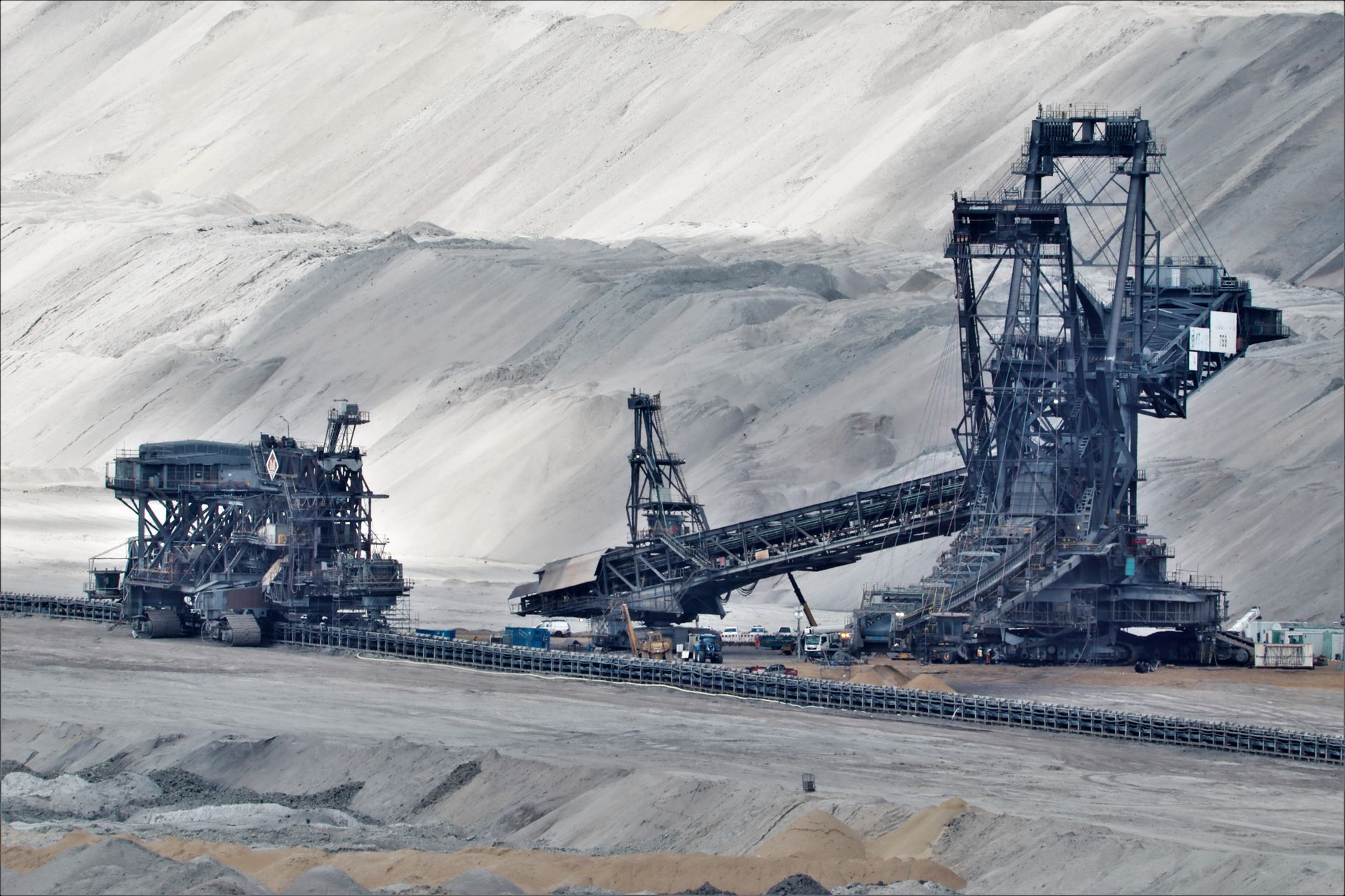
When workers step onto a mine site — whether in the Pilbara, the Hunter Valley, or outback Queensland — what they’re wearing can be the difference between a safe shift and a serious incident. Mining uniforms are far more than a branding exercise. They’re a critical component of workplace safety, team identification, and professional compliance. Yet for many site managers, HR teams, and procurement officers, navigating the world of custom mining workwear can feel overwhelming. Which fabrics meet Australian standards? What decoration methods hold up in harsh conditions? How do you manage a bulk uniform order across multiple departments and locations? This guide answers all of those questions and more, giving you a clear, practical roadmap for sourcing custom mining uniforms that work as hard as your crew.
Why Mining Uniforms Are Different From Standard Workwear
Not all workwear is created equal. A branded polo shirt worn at a trade show is a world away from the garments required on an active mine site. Mining environments present some of the most demanding conditions in any Australian industry — extreme heat, heavy dust, chemical exposure, sharp equipment, and the constant risk of low-visibility incidents.
Australian Safety Standards to Know
Before selecting any mining uniform, procurement teams need to understand the relevant Australian and New Zealand standards that govern workwear in this sector. The most critical is AS/NZS 4602.1, which covers high visibility safety garments. Most mine sites require Day/Night (D/N) rated garments, meaning the clothing must be visible in both natural and artificial light conditions. This typically means fluorescent orange or yellow backgrounds combined with reflective tape in specific configurations.
Beyond high visibility, many mining roles also require compliance with:
- AS/NZS 2161 — Occupational protective gloves
- AS/NZS 1337 — Eye and face protection (relevant when decorating garments around PPE integration)
- AS 4399 — Sun protection ratings for outdoor roles
- Flame Resistant (FR) standards — Essential for workers near heat sources, electrical hazards, or combustible materials
If your team works across electrical hazards specifically, it’s worth reviewing our guide to promotional first aid kits for electrical contractors in Australia for a broader look at worksite safety products that complement your uniform program.
The Hi-Vis Requirement in Practice
Across Western Australia, Queensland, New South Wales, and the Northern Territory — the states and territories where most of Australia’s major mining operations are concentrated — hi-vis garments are non-negotiable on most mine sites. This applies to both full-time employees and visiting contractors. When ordering custom mining uniforms, always confirm with your safety officer or site manager which AS/NZS classification is required before finalising your garment selection.
Choosing the Right Garments for Your Mining Uniform Program
Once you’ve confirmed your compliance requirements, the next step is selecting the right garments. Mining uniform programs typically include a combination of the following:
Hi-Vis Polo Shirts and T-Shirts
These are the workhorses of any mining uniform wardrobe. Look for 100% cotton or cotton-polyester blends rated for hi-vis performance. Cotton provides breathability — critical in the heat of Pilbara summers or tropical Far North Queensland — while polyester blends offer better moisture wicking and durability. If you’re sourcing custom shirts and polos for your team, pay close attention to the fabric weight (measured in GSM) and the reflective tape placement, which must comply with the relevant standard for your site classification.
Long Sleeve Hi-Vis Shirts
For outdoor roles with significant sun exposure, long sleeve shirts rated to UPF 50+ provide dual protection — both sun and visibility compliance. These are popular in open-cut mining operations across the NT and outback South Australia, where UV exposure is extreme.
Drill Trousers and Cargo Pants
Mining trousers are typically constructed from heavy-duty cotton drill or ripstop fabric, designed to resist tearing, abrasion, and snags. Cargo pockets are essential for storing tools, phones, and small equipment.
Fleece Jackets and Outerwear
Night shifts in outback regions can drop to near-freezing temperatures, making insulating layers part of a complete mining uniform program. Hi-vis fleeces and jackets must also comply with visibility standards if worn as the outermost layer on site.
Caps and Accessories
While not always compliant as standalone PPE, branded caps and bucket hats are popular additions to mining uniform programs for general camp and office-based workers. If you’re exploring broader summer worksite accessories, take a look at our overview of summer branded merchandise in Australia, which covers sun hats, sunscreen, and other useful additions.
Speaking of sun protection, promotional sunscreen in Melbourne highlights how branded SPF products make a practical and valued addition to any outdoor worker care package alongside uniforms.
Decoration Methods for Mining Uniforms
Branding a mining uniform is not simply about aesthetics — the decoration method must withstand the physical demands of the work environment. Logos, names, and other markings need to stay legible and intact through hundreds of industrial wash cycles, exposure to dust, chemicals, and physical wear.
Embroidery
Embroidery is the most durable decoration method available for workwear. It’s built into the fabric rather than applied on top of it, making it highly resistant to fading, peeling, and cracking. Embroidery is ideal for:
- Company logos on chest pockets and sleeves
- Employee names and department identifiers
- High-use areas like collars and cuffs
The main limitation of embroidery is that it’s not suited to very fine detail or photographic-quality artwork. It also comes with a one-off digitising fee to convert your logo into a stitch file — typically a cost-effective investment when amortised across a large uniform order.
Heat Transfer and Screen Printing
For larger, back-of-shirt branding, heat transfer and screen printing are popular options. Screen printing delivers vibrant, cost-effective results at high volumes and is particularly well-suited to simple, bold logos. If you’re interested in learning more about this process, our detailed resource on screen printing services for promotional products in Brisbane walks through the method, artwork requirements, and what to expect in terms of turnaround.
Heat transfer printing can handle more complex, multi-colour designs but may be less suitable for frequent industrial washing environments without premium transfer materials.
Laser Cutting and Woven Labels
For a premium finish, some mining companies opt for woven labels or laser-cut patches rather than direct-to-garment printing. These are particularly popular for management-level or contractor-grade uniforms where presentation matters alongside durability.
Minimum Order Quantities, Lead Times, and Budgeting
Understanding the commercial realities of ordering custom mining uniforms helps you plan ahead and avoid surprises.
Minimum Order Quantities (MOQs)
For custom hi-vis workwear with decoration, MOQs typically start at 12–24 units per style and colour, though this varies by supplier. If you’re kitting out a large operation, bulk orders of 50, 100, or 500+ units will unlock significantly better pricing per unit. Some suppliers will accommodate smaller sample runs for new sites or trial programs — always ask.
Turnaround Times
Lead times for custom mining uniforms generally range from 10 to 20 business days for standard orders, though this can stretch during peak periods or if overseas manufacturing is involved. For urgent needs — new contractor starts, safety audits, or site expansions — look for suppliers who can offer express decoration on pre-made garments within 5–7 business days.
Building a buffer of 3–4 weeks into your procurement timeline is always recommended, particularly for orders involving multiple garment types, multiple sizes, and complex artwork.
Budgeting Per Head
A fully kitted mining uniform pack — typically including two hi-vis polos, one long sleeve shirt, and a cap — can range from $80 to $200+ per employee depending on garment quality, number of units, and decoration complexity. Factor in replacement cycles (usually annually or bi-annually for heavily used garments) when planning your uniform budget for the financial year.
For operations in regional areas, including remote sites in WA, QLD, and the NT, factor in additional freight costs when comparing supplier quotes.
Managing Ongoing Uniform Programs for Mining Operations
For large mining organisations with hundreds or thousands of employees, ad hoc ordering quickly becomes unmanageable. Many businesses benefit from setting up a managed uniform program or web store arrangement, where individual workers or site administrators can order approved uniform items on demand, with branding and sizing pre-configured.
This approach reduces administrative burden, ensures brand and compliance consistency across sites, and simplifies invoicing. If your organisation also needs to manage other branded items alongside uniforms — from promotional gifts for client visits to branded notebooks for site offices or even custom lanyards for contractor passes — a consolidated supplier relationship can streamline the entire process.
For Queensland-based operations, you may also find it useful to explore promotional products for businesses in Fraser Island for ideas on combining workwear with broader branded merchandise for remote and regional operations.
Organisations managing procurement across multiple states should also look into promotional products suppliers in the ACT for government-linked or federally regulated mining operations that may be operating near Canberra or across jurisdictions.
And don’t overlook the value of keeping your team hydrated on site — reusable water bottles and branded plastic water bottles are practical inclusions in any worksite wellbeing program, particularly during summer months on exposed mine sites.
For a broader look at sustainable product options — increasingly important as mining companies face ESG scrutiny — recycled PET office supplies in Australia shows how organisations are incorporating eco-conscious products into their broader procurement strategies.
Conclusion: Key Takeaways for Ordering Custom Mining Uniforms
Getting your mining uniform program right requires more than simply picking a shirt colour and adding a logo. It’s about safety compliance, durability, practical functionality, and scalable procurement processes. Here’s a summary of the most important points to carry forward:
- Always confirm the relevant AS/NZS standards for your site before selecting garments — particularly hi-vis classification requirements (Day/Night vs Day-only)
- Choose embroidery for longevity in harsh conditions; screen printing and heat transfer are suitable for back-of-shirt branding where industrial wash resistance is managed appropriately
- Plan your lead times carefully — allow a minimum of 3–4 weeks for custom decorated orders and more for complex multi-style programs
- Build in per-unit bulk pricing by ordering in volume tiers where possible — the per-head cost difference between 50 and 500 units can be significant
- Consider a managed uniform program if your operation spans multiple sites or states, to ensure compliance and brand consistency without ongoing admin burden
A well-designed, compliant, and clearly branded mining uniform program does more than keep your workers visible — it reinforces a culture of safety, professionalism, and pride in the work. And in one of Australia’s most important industries, that foundation is worth investing in.