
Tee Shirts Printed with Your Logo: The Complete Australian Ordering Guide
Everything Australian businesses and event planners need to know about ordering custom printed tee shirts — decoration methods, MOQs, and budgeting tips.

Written by
Max Sharma
Custom Apparel
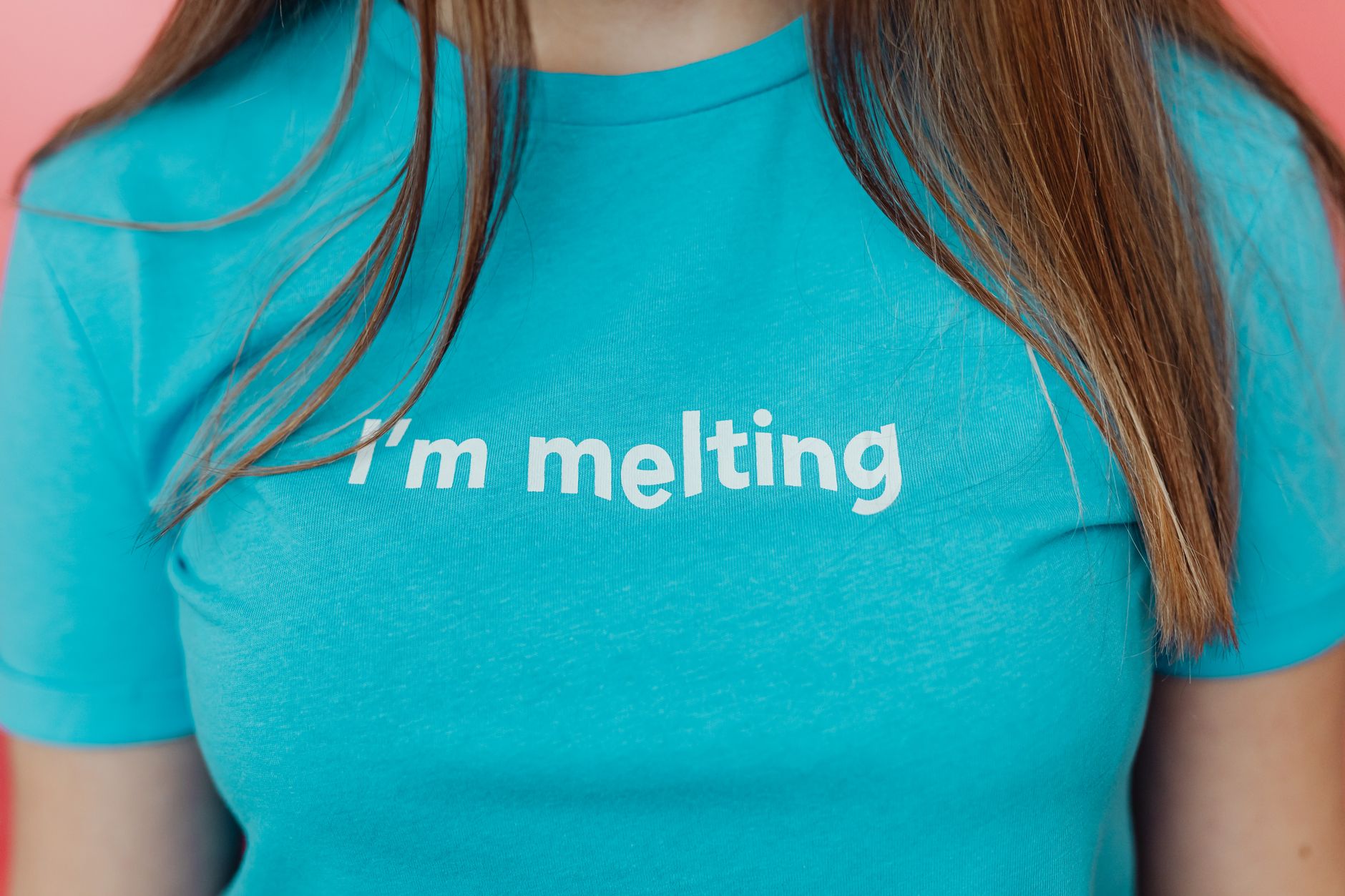
Getting tee shirts printed with your logo, artwork, or message is one of the most versatile and cost-effective branding decisions an Australian organisation can make. Whether you’re outfitting a team of 20 staff for a trade show in Sydney, kitting out 300 volunteers for a community fun run on the Gold Coast, or creating merchandise for a school sports carnival in Adelaide, a well-designed custom tee can do an enormous amount of heavy lifting for your brand. But navigating the process — from artwork preparation to choosing the right decoration method — can feel overwhelming if you haven’t done it before. This guide walks you through everything you need to know, step by step.
Why Tee Shirts Remain One of the Most Popular Branded Products in Australia
There’s a reason custom tee shirts have dominated the promotional products industry for decades. They’re practical, wearable, and universally appreciated. Unlike a branded pen that might end up at the bottom of a drawer, a quality printed tee is something people actually wear — in public, repeatedly, over months or even years. Each wear represents a fresh brand impression for your business or organisation.
For Australian organisations in particular, the climate makes tee shirts an especially smart choice. From the subtropical warmth of Brisbane to the milder summers in Melbourne and Hobart, a lightweight cotton or cotton-blend tee is comfortable across most of the country for much of the year. Add to this the casual, outdoor culture that defines many Australian workplaces, schools, and community events, and it’s easy to see why tee shirts printed with custom branding are consistently one of the most ordered products in the merchandise space.
Beyond events and promotions, businesses across sectors are investing in branded tees for staff uniforms, onboarding kits, client gifting, and internal culture-building. A Perth real estate agency might print tees for an open-for-inspection weekend. A Darwin childcare centre might order them as part of staff uniform. The applications are genuinely endless.
Understanding Your Decoration Options for Printed Tee Shirts
One of the first and most important decisions you’ll make when ordering custom tee shirts is which decoration method to use. Each option has different characteristics, costs, and suitability depending on your artwork, order volume, and budget.
Screen Printing
Screen printing is the most widely used method for tee shirts printed in bulk, and for good reason. It produces vibrant, durable prints that hold up extremely well through repeated washing. Ink is pushed directly through a mesh stencil onto the fabric, creating a bold, clean result.
Screen printing works best when your design uses a limited number of solid colours — typically one to six. Each colour requires a separate screen, which contributes to setup fees. However, once those screens are created, the per-unit cost drops significantly as volume increases. This makes it ideal for large runs of 50 or more units. For a Canberra government department ordering 200 tees for a community engagement event, screen printing would almost certainly be the most cost-effective approach.
Keep in mind that screen printing isn’t the best choice for photographic images or designs with gradients. For intricate, multi-colour artwork, you may need to consider other methods.
Direct-to-Garment (DTG) Printing
DTG printing works similarly to an inkjet printer, applying ink directly onto the fabric using a specialised machine. It’s excellent for complex, full-colour designs including photographs and detailed illustrations. Unlike screen printing, there are no setup screens involved, which makes small runs — even single units — economically viable.
The trade-off is that DTG can be more expensive per unit at higher volumes compared to screen printing, and the results can vary slightly depending on garment colour and fabric composition. It works best on 100% cotton garments in light colours. For a Melbourne creative agency printing 15 custom tees with a detailed illustrated design for a launch event, DTG is likely the right fit.
Heat Transfer and Sublimation
Heat transfer involves applying a pre-printed design to the garment using heat and pressure. It’s versatile and can accommodate complex designs, but the finish may not be as durable as screen printing over time. Sublimation, on the other hand, infuses ink directly into the fabric at a molecular level, producing incredibly vivid, all-over prints with no cracking or peeling. However, sublimation only works on polyester or polyester-blend fabrics and is best suited to light-coloured garments.
Sublimation is popular for sports uniforms, performance wear, and fully customised merchandise where an all-over design is desired. A Brisbane netball club ordering custom playing uniforms would benefit greatly from sublimation printing.
Embroidery
While technically not a “print” method, embroidery is worth mentioning because it’s often used alongside or instead of printing on tee shirts, particularly for corporate or formal applications. Embroidery uses stitched thread to render your logo and creates a premium, textured finish. It’s especially popular on polo shirts and workwear. For detailed comparisons between methods, our guide to screen printing vs embroidery and our deeper look at how to choose pad printing for promotional products cover the technical decision-making process in detail.
Choosing the Right Tee Shirt: Fabric, Fit, and Style
The garment itself matters just as much as the print. When you’re ordering tee shirts printed for your team or event, you’ll need to consider several product variables.
Fabric and Weight
Cotton is the most popular choice for custom tee shirts. It’s breathable, comfortable, and takes ink well for most decoration methods. Common weights range from 150gsm (lightweight, great for summer events) to 200gsm and above (heavier, more structured feel). Cotton-polyester blends offer added durability and moisture-wicking properties, making them popular for sportswear and outdoor events.
For sustainable-minded organisations — a Hobart not-for-profit, for example — organic cotton or recycled fabric options are increasingly available and can align your merchandise with your values.
Fit and Cut
Tee shirts come in a range of cuts: standard fit, slim fit, women’s cut, youth sizes, and more. When ordering for a diverse group — think a Sydney conference with attendees of varying ages and body types — it’s worth ordering a spread of sizes rather than defaulting to a single fit. Most suppliers will help you create a size run based on estimated proportions.
Colour Considerations
Dark-coloured garments require additional consideration for printing. Screen printing on dark fabrics often requires an underbase layer of white ink before the design colours are applied, which can affect cost and the overall feel of the print. For designs that require precise colour matching to your brand guidelines, discuss PMS colour matching with your supplier to ensure consistency.
Practical Tips for Ordering Tee Shirts Printed in Bulk
Getting your order right from the start saves time, money, and stress. Here are some practical considerations to keep in mind.
Artwork Requirements
Most decoration methods require artwork supplied as a vector file (typically .AI or .EPS format) for best results, particularly for screen printing and embroidery. Raster files like JPEGs can work for DTG printing but should be high resolution — at least 300 DPI at print size. If your logo only exists as a small web graphic, ask your supplier whether they can assist with artwork preparation, though this may incur a small fee.
MOQs and Pricing Tiers
Minimum order quantities (MOQs) for screen-printed tees typically start at around 24–50 units, though some suppliers can accommodate smaller runs, particularly for DTG. Pricing almost always drops significantly as volume increases — a tee that costs $25 per unit at 50 pieces might cost $14 per unit at 200 pieces. If you’re budgeting for a larger event, it’s worth exploring whether ordering more actually saves you money overall.
Turnaround Times
Allow adequate lead time, especially during busy periods. Standard production for a screen print run of 100 tees is typically 7–14 business days after artwork approval. Rush services are available from some suppliers but come at a premium. For events and campaigns, planning at least 3–4 weeks ahead is advisable. This is particularly relevant if you’re planning around major dates — our overview of EOFY promotional product clearance sales in Australia includes useful timing guidance for budget-conscious buyers.
Sampling
If you’re ordering for the first time, or placing a particularly large order, requesting a pre-production sample is strongly recommended. This lets you check the print quality, garment feel, sizing, and colour accuracy before the full run is produced. There’s usually a cost involved, but it’s worthwhile insurance for orders of significant scale or value.
Tee Shirts for Specific Australian Industries and Events
Custom tee shirts are used across virtually every sector in Australia. Here’s how a few different audiences commonly approach their orders:
Corporate teams and businesses tend to prioritise a clean, professional look — often a left-chest logo print in one or two colours on a neutral or brand-coloured garment. Quality and consistency are paramount.
Schools and sporting clubs often need larger runs with a mix of sizes including children’s. Fun, bold designs are common, and screen printing is usually the preferred method for cost efficiency.
Events and conferences benefit from tees that can serve as both staff uniforms and attendee gifts. Choosing a universally flattering fit and a design that participants will actually want to wear outside the event extends the brand’s reach long after the day itself.
Outdoor and coastal events may call for performance fabrics or UV-rated options — worth considering if you’re planning a summer activation along the Queensland coast. You might also find inspiration in our guide to custom fishing gear for beach and coastal events in Australia, which explores merchandise suited to outdoor settings.
Conclusion: Key Takeaways for Getting Tee Shirts Printed Right
Ordering tee shirts printed with your brand doesn’t have to be complicated — but it does reward careful planning. Here’s a summary of what to keep in mind:
- Choose your decoration method based on artwork complexity, volume, and budget — screen printing suits large runs with simple designs, while DTG is better for smaller orders with detailed artwork.
- Garment quality matters — invest in a fabric weight and fit that reflects your brand and will actually be worn rather than discarded.
- Prepare your artwork correctly — vector files are ideal for most methods; speak to your supplier early if you’re unsure about file formats.
- Order with adequate lead time — 3–4 weeks minimum is a safe buffer, longer during peak periods like EOFY or the pre-Christmas rush.
- Request samples for large or high-value orders — catching a colour or sizing issue before the full run is produced saves significant time, cost, and frustration.
With the right preparation and a clear brief, getting tee shirts printed for your business, school, event, or organisation is a straightforward process that delivers outstanding brand value. The key is knowing what to ask for — and now you do.