
The Complete Guide to Printing on Stubby Holders for Australian Events and Businesses
Learn everything about printing on stubby holders — decoration methods, MOQs, artwork tips, and how to get the best results for your brand.

Written by
Theo Rodriguez
Drinkware
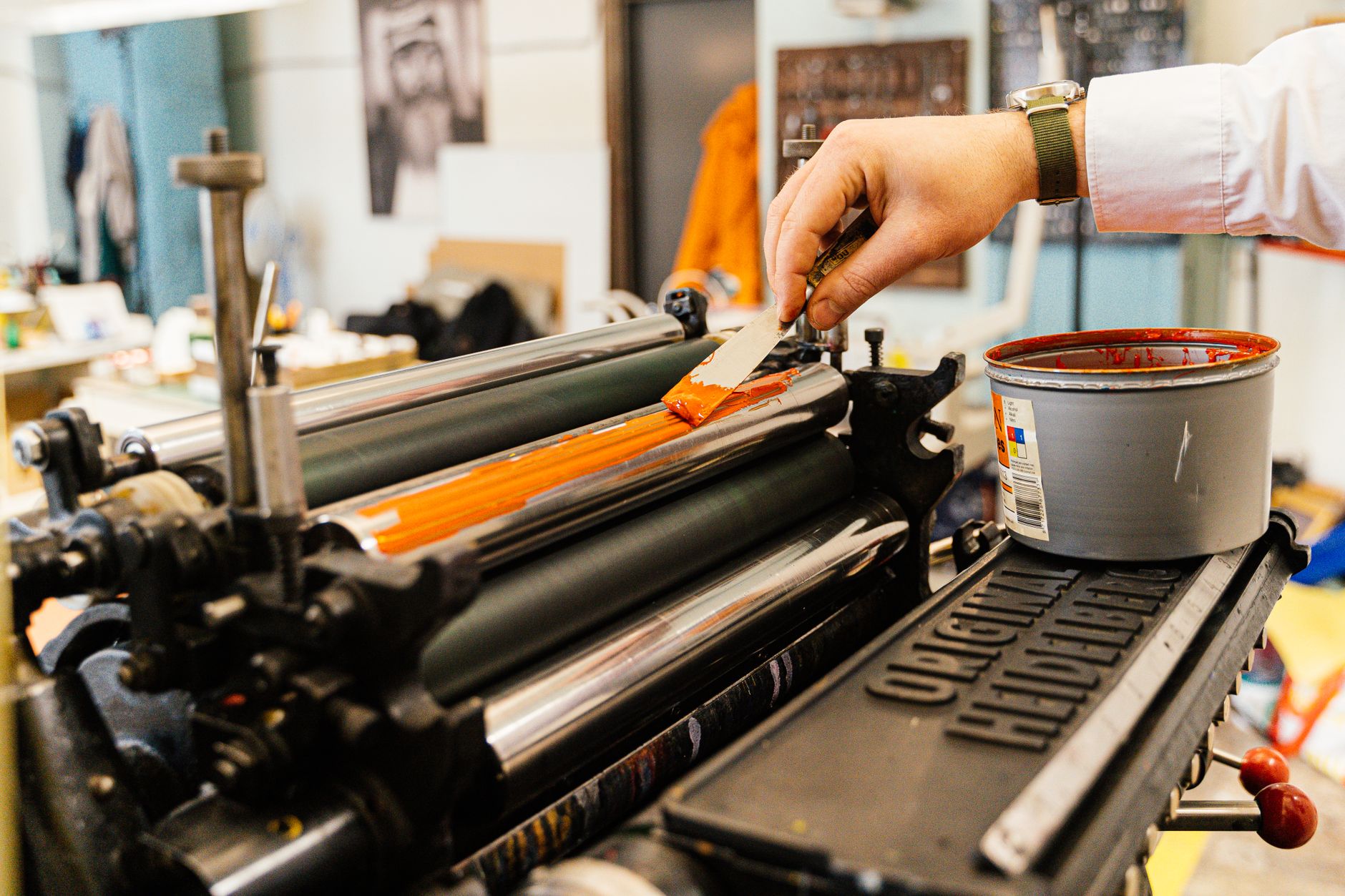
Few promotional products capture the relaxed, social spirit of Australian culture quite like the humble stubby holder. Whether it’s a footy club fundraiser in Adelaide, a corporate barbecue on the Gold Coast, or a wedding celebration in regional Queensland, branded stubby holders have become a staple of events and marketing campaigns across the country. But if you’ve never ordered custom printed stubby holders before, the process can feel a little overwhelming. What printing method should you use? How many do you need to order? What file format does your artwork need to be in? This guide answers all of those questions and more — giving you the confidence to order printing on stubby holders that look fantastic and deliver real value for your brand or event.
Why Stubby Holders Are a Smart Choice for Branded Merchandise
Before diving into the technical side of things, it’s worth understanding why stubby holders continue to be one of the most popular items in the Australian promotional products market.
For starters, they’re incredibly practical. Australians spend a significant amount of time outdoors — at barbecues, sporting events, markets, and festivals — and a stubby holder solves a genuine problem by keeping drinks cold and hands comfortable. That practicality means people actually use them, which translates directly into ongoing brand exposure.
Stubby holders are also cost-effective. Even with custom printing, they typically sit at a very accessible price point, making them viable for organisations with limited marketing budgets, from small sporting clubs in Hobart to growing start-ups in Perth. And because they’re durable and reusable, a single unit can deliver months or even years of impressions — unlike a flyer that gets binned within seconds.
If you’re thinking about how to increase brand awareness for your business or organisation, stubby holders represent one of the most affordable and well-received options available. They work equally well as giveaway items, merchandise for sale, event souvenirs, and staff gifts.
The Different Methods for Printing on Stubby Holders
Not all stubby holders are created equal, and neither are the printing methods used to decorate them. The material of the holder — neoprene, foam, or hard-sided — largely determines which decoration technique is most appropriate.
Full Wrap Sublimation Printing
Sublimation printing is the most popular and visually striking option for neoprene stubby holders, which are by far the most common type used for promotional purposes. This method uses heat and pressure to transfer dye directly into the fabric of the neoprene, resulting in full-colour, edge-to-edge artwork that’s part of the material itself rather than sitting on top of it.
The advantages of sublimation are significant. You can reproduce photographic images, gradients, and complex multi-colour designs with exceptional clarity. There’s no cracking, peeling, or fading — even with regular washing or prolonged outdoor use. For events like music festivals in Byron Bay or corporate team-building days in the Yarra Valley, where your stubby holders might see serious use, sublimation delivers results that hold up beautifully over time.
One important consideration: sublimation works best on white or very light-coloured neoprene. If you’re working with a coloured base, the inks may not reproduce as vividly. Artwork also needs to be supplied as a high-resolution file — ideally a vector file (AI, EPS, or PDF) or a raster image at 300 DPI or higher at print size. If you’re unsure about artwork preparation, read our guide to screen printing services for promotional products in Brisbane for general tips that apply across decoration methods.
Screen Printing for Stubby Holders
Screen printing is a great option for simpler designs with one to four spot colours. It’s commonly used on foam stubby holders and works well when your artwork is a clean logo or text-based design without gradients or photographic elements.
The process involves pushing ink through a mesh screen onto the surface of the holder, with a separate screen required for each colour. This means setup fees apply per colour, which can impact the economics of small runs. However, for larger orders — typically 200 units or more — screen printing offers excellent cost efficiency and consistent results. If you’re ordering branded stubby holders for a large corporate event in Sydney or a school fundraiser in Melbourne, screen printing is worth considering.
You can learn more about the economics and suitability of spot colour printing in our overview of how to choose pad printing for promotional products — many of the same principles around colour separation and setup costs apply to screen printing as well.
Pad Printing
Pad printing is less commonly used on neoprene but can be appropriate for hard-sided stubby holders made from materials like stainless steel or rigid plastic. It’s a transfer process that works well on curved surfaces, making it suitable for cylindrical containers with a defined print area. For most promotional stubby holder applications, though, sublimation or screen printing will be the more practical choice.
Digital Printing
Some suppliers offer digital printing on neoprene and foam products, which eliminates the need for screens and can make short runs more economical. Digital printing has improved significantly in recent years and can handle full-colour designs, though it may not offer quite the same vibrancy or edge-to-edge coverage as sublimation.
Understanding MOQs, Turnaround Times, and Pricing
One of the first questions most clients ask when ordering custom printed stubby holders is: how many do I need to order? Minimum order quantities (MOQs) vary by supplier and decoration method, but here’s a general guide:
- Sublimation printed neoprene stubby holders: MOQs typically start from 50 to 100 units, though some suppliers will go lower for a premium.
- Screen printed foam or neoprene holders: MOQs are often higher — commonly 100 to 200 units — due to screen setup requirements.
- Digital printed holders: Some suppliers accommodate orders as small as 25 to 50 units.
For turnaround times, most standard orders are completed within 10 to 15 business days from artwork approval. If you need stubby holders for a specific event date, always confirm production and delivery timelines upfront, particularly if you’re ordering from interstate. A Brisbane event planner ordering for a Cairns festival, for example, should factor in freight time to Far North Queensland.
Pricing depends on the decoration method, quantity, number of colours, and whether you’re ordering a standard shape or a custom die-cut design. Budget roughly $3–$8 per unit for standard sublimation printed neoprene holders in modest quantities, with significant savings as order volumes increase.
If you’re planning a broader event merchandise strategy, our guide to creating effective promotional product gift sets has excellent advice on bundling stubby holders with complementary items like branded water bottles, sunscreen, or caps.
Artwork Tips for the Best Printing Results
Getting your artwork right before submitting it for production is one of the most important steps in the process. Here’s what to keep in mind:
Use Vector Files Where Possible
Vector artwork (AI, EPS, SVG, or print-ready PDF) scales to any size without losing quality. This is the preferred format for most decoration methods. Raster files like JPG or PNG are acceptable but must be supplied at a minimum of 300 DPI at the actual print size.
Mind Your Safe Zones and Bleed Areas
Most neoprene stubby holders have a wrap template that shows the print area, safe zones, and bleed areas. Keep critical elements like logos and text within the safe zone, and extend background colours to the bleed edge to avoid white borders after trimming.
Colour Matching Considerations
If your brand has specific Pantone (PMS) colours, discuss colour matching with your supplier before production. Sublimation printing uses CMYK values rather than spot inks, so exact Pantone matches aren’t always achievable — but experienced decorators can get very close. For more precise spot colour applications, screen printing with matched inks is a better option.
Pairing Stubby Holders with Other Promotional Products
Custom printed stubby holders rarely need to work alone. They’re most effective when they’re part of a broader merchandise strategy. Pair them with complementary outdoor products like promotional sunscreen in Melbourne for a summer event kit, or bundle them with printed tee shirts for a club or team package.
For corporate functions, consider complementing stubby holders with items like promotional notebooks or branded lanyards — our guide to single custom lanyards is a good starting point. You can also explore options for seasonal gifting — for instance, Father’s Day promotional gifts or Father’s Day branded tool kits and gadgets often pair well with stubby holders for a practical, themed gift set.
If sustainability is a priority for your organisation, it’s worth exploring how stubby holders fit within an eco-conscious merchandise strategy. Our article on plant-based marketing giveaways in Australia offers useful context on aligning your product choices with environmental values, as does our overview of recycled PET office supplies.
For real-world inspiration, check out our promotional drinkware case studies from across Australia to see how other organisations have used custom drinkware to achieve their marketing goals.
Key Takeaways
Getting printing on stubby holders right comes down to good preparation, choosing the right decoration method, and working with a reliable supplier. Here’s a quick summary of what to keep in mind:
- Choose your decoration method based on your design complexity and material: Sublimation is best for full-colour, photographic, or gradient designs on neoprene; screen printing suits bold, limited-colour artwork; pad printing works for hard-sided products.
- Supply high-quality artwork: Vector files are ideal; raster images need to be 300 DPI at print size. Always use your supplier’s provided template to check bleed, safe zones, and artwork placement.
- Plan ahead for turnaround times: Allow at least 10–15 business days from artwork approval, plus freight time if you’re ordering for a regional or interstate event.
- Think about order quantities strategically: Higher volumes reduce your per-unit cost significantly — if you’re close to the next pricing tier, it often makes financial sense to order more.
- Consider stubby holders as part of a broader merchandise mix: They work best alongside complementary products that reinforce your brand message and deliver genuine value to recipients.
With the right approach, printing on stubby holders can deliver outstanding brand exposure at a price point that works for almost any budget. Whether you’re organising a fundraiser in Fremantle, a trade show in Canberra, or a team event in Darwin, a well-branded stubby holder is one of those rare promotional items that people actually want to keep — and that’s exactly what effective branded merchandise is all about.