
The Complete Guide to Embroidered Merchandise for Australian Businesses and Organisations
Discover how embroidered merchandise elevates your brand. Expert tips on products, techniques, costs & ordering for Australian businesses.
Written by
Stella Kwan
Branding & Customisation
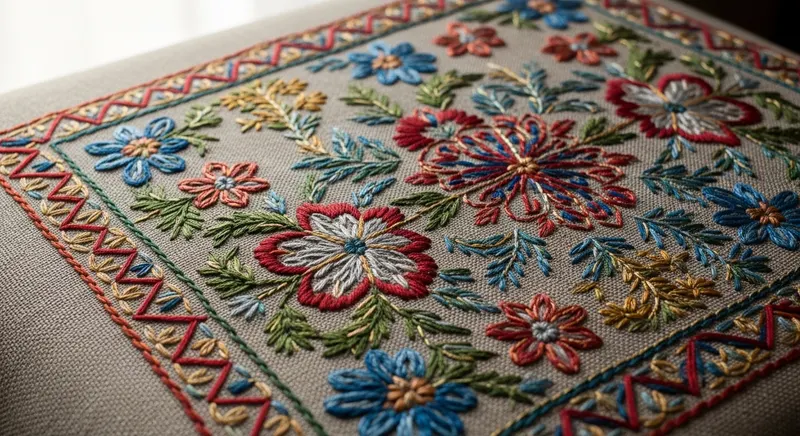
When it comes to making a lasting impression, few decoration methods carry the same weight as embroidered branding. There’s something undeniably premium about a neatly stitched logo on a polo shirt or cap — it signals quality, professionalism, and attention to detail in a way that printed alternatives simply can’t replicate. For Australian businesses, sporting clubs, schools, and event organisers looking to create branded merchandise that genuinely stands out, understanding the ins and outs of embroidery is absolutely worth your time. This guide covers everything you need to know, from choosing the right products and managing your budget to getting your artwork ready and placing your first order with confidence.
What Does “Embroidered” Actually Mean in the Merchandise Industry?
Embroidery is the process of stitching a design directly onto fabric using a computerised machine that follows a digitised version of your logo or artwork. Unlike screen printing or heat transfer, embroidery doesn’t sit on top of the fabric — it becomes part of it. The result is a textured, three-dimensional finish that feels as good as it looks.
The process starts with digitising your artwork. A specialist converts your logo file into an embroidery file format (typically .DST or .EMB) that the embroidery machine can read. The machine then uses multiple thread colours to recreate your design stitch by stitch. The quality of the digitising work directly affects the final result, which is why experienced operators are so important.
Embroidery vs Other Decoration Methods
It’s worth understanding where embroidery sits relative to other popular decoration techniques:
- Screen printing suits flat, large-format designs on t-shirts and bags, with vibrant colour coverage at a low per-unit cost at volume
- Heat transfer and sublimation work well for photographic or full-colour designs, particularly on polyester garments
- Laser engraving is ideal for hard goods like drinkware, metal accessories, and wooden awards
- Embroidery shines on structured fabrics — polos, caps, jackets, hoodies, and workwear — where durability and a premium look are the priority
If you’re weighing up your options for apparel, our guide to custom printed tee shirts walks through decoration choices in detail for those looking at more casual garment options.
Which Products Are Best Suited to Embroidered Decoration?
Not every product takes to embroidery equally well. The technique works best on tightly woven, structured fabrics that can support the weight and tension of stitching. Here are the products where embroidery genuinely excels.
Polo Shirts and Work Shirts
Polo shirts are arguably the most popular embroidered product in Australia. Whether it’s a Brisbane logistics company kitting out its drivers or a Perth real estate agency outfitting its sales team, a neatly embroidered logo on the left chest is a classic, professional choice. For organisations with female staff, it’s worth exploring options like women’s polo shirts and women’s polo work shirts designed specifically for a better fit.
Caps and Headwear
Structured caps — think five-panel or six-panel styles — are perfect for embroidery because the firm front panel holds stitching beautifully. Unstructured caps can work but may require a stabiliser backing to prevent puckering. Caps are hugely popular for sporting clubs, tradies, promotional giveaways, and corporate uniforms.
Hoodies, Jackets, and Varsity Styles
Heavier garments like hoodies, fleece jackets, and zip-ups are ideal embroidery candidates. The fabric weight supports the stitching without distortion. If your organisation is looking at something with a bit more heritage feel, varsity jackets are an excellent option that pairs beautifully with embroidered chest or sleeve logos.
Bags and Totes
Embroidery on bags adds a premium touch that printed logos sometimes can’t match. Canvas tote bags, cooler bags, and laptop bags all take embroidery well. For organisations needing functional, durable options, waterproof bags and travel bags can also be decorated with embroidery depending on the material composition.
Towels and Soft Goods
Terry towelling and microfibre products accept embroidery well, though the pile of the fabric needs to be accounted for in the digitising process. Gym towels, beach towels, and corporate gifts in this category work wonderfully — take a look at branded gym towels as a practical example of where embroidery adds real perceived value.
Understanding Embroidered Merchandise Costs and Pricing
One of the most common questions from first-time buyers is: why does embroidery cost more than printing? The answer lies in the setup and production process.
Setup and Digitising Fees
Most suppliers charge a one-off digitising fee to convert your artwork into an embroidery file. This typically ranges from $40 to $100 depending on complexity. The good news is that you only pay this once — the file is yours to use for repeat orders. Some suppliers waive this fee on larger orders, so it’s always worth asking.
Stitch Count and Pricing
Embroidery is priced partly based on stitch count — the total number of stitches required to complete your design. A simple left-chest logo might involve 5,000 to 8,000 stitches, while a large back design could run to 20,000 stitches or more. Higher stitch counts mean longer machine run time, which affects cost.
Minimum Order Quantities (MOQs)
For embroidered apparel, MOQs typically start at six to twelve pieces for standard items, though this varies by supplier and product type. If you’re running a small order for a community group in Hobart or a startup in Darwin, it’s worth confirming MOQs upfront and factoring setup fees into your per-unit cost calculation.
Bulk Pricing
Like most branded merchandise, embroidery becomes significantly more cost-effective at volume. An embroidered polo that costs $35 per unit at 12 pieces might drop to $22 per unit at 50 pieces. For large events or corporate uniform rollouts in Sydney or Melbourne, the savings at scale are substantial.
Getting Your Artwork Ready for Embroidered Products
Good artwork preparation is one of the most critical steps in the embroidery process, yet it’s often where organisations run into trouble.
File Requirements
While vector files (AI, EPS, PDF) are generally preferred for print jobs, embroidery is unique in that even a perfect vector file needs to be re-digitised. That said, providing a high-resolution vector file gives your digitiser the best possible starting point. Avoid low-resolution JPEGs or PNGs wherever possible.
Design Simplicity Is Your Friend
Embroidery has physical limitations that printing doesn’t. Very fine lines, tiny text, and intricate gradients don’t translate well into thread. As a general rule, text should be at least 6mm tall to remain legible. If your logo has elaborate fine detail, your supplier may recommend a simplified version specifically for embroidery — this is normal practice and doesn’t mean your logo is a problem.
Thread Colours
Embroidery thread comes in a vast range of colours, and most suppliers use Madeira or Isacord thread ranges. PMS colour matching isn’t always a perfect science with thread, but experienced digitisers can get very close. You’ll typically select thread colours from a swatch chart, and most standard logos with two to five colours are easily achievable.
Turnaround Times and What to Expect
Standard turnaround for embroidered merchandise in Australia is typically ten to fifteen business days from proof approval, though this varies. Rush services are available from many suppliers but usually attract an additional fee. If you’re ordering for a specific event — say, a Gold Coast conference or an Adelaide trade show — always work backwards from your event date and add a comfortable buffer.
It’s also worth knowing that proof approval is a crucial step. Before production begins, your supplier should provide a digital proof or physical sample for sign-off. Never skip this step, especially for a first order.
Embroidered Merchandise Beyond Apparel
While garments are the most common application, embroidery’s reach extends further than you might think. Branded merchandise campaigns for conferences and events often combine embroidered items with other products — think event wristbands for access control, promotional USB sticks as giveaways, and custom lanyards for name badges. The embroidered items anchor the premium end of the merchandise suite.
Similarly, organisations running summer merchandise campaigns often pair embroidered caps with printed items like drink bottles and travel cups — or branded travel coffee cups and personalised travel mugs — for a cohesive, multi-product pack. You can also round out a comprehensive merch bundle with custom sport water bottles for active audiences.
For organisations with sustainability goals, it’s worth noting that embroidery is inherently more durable than many print methods, meaning embroidered garments are kept and worn for longer — a genuine sustainability benefit. If eco credentials are important to your brand, explore our resources on sustainable promotional products for a broader picture.
Key Takeaways
Embroidered merchandise remains one of the most enduring and premium decoration choices available to Australian organisations. Here’s a summary of what to keep in mind as you plan your next project:
- Embroidery suits structured fabrics best — polos, caps, jackets, bags, and towels all deliver excellent results, while very thin or stretchy materials can be challenging
- Budget for digitising upfront — this is a one-time cost that pays for itself across repeat orders, so factor it into your initial project budget
- Simplify your artwork where needed — fine detail and tiny text don’t always translate well to thread, and a slightly simplified logo version can actually look sharper in embroidery
- Order with lead time in mind — ten to fifteen business days is typical, so plan well ahead for events, uniform launches, or conference packs
- Combine embroidered items with complementary products — pairing a premium embroidered polo or cap with practical branded accessories creates a more memorable and complete merchandise experience for your audience
Whether you’re a Canberra government department updating your uniform programme, a Melbourne sporting club ordering new training gear, or a Brisbane business preparing for a major expo, embroidered merchandise delivers the kind of quality and longevity that reflects well on every organisation that chooses it.